Local · 17 July 2026
Storm season on the Gold Coast: protecting your home's electrics
Storms bring lightning, power surges, fallen powerlines and water where it should not be. Here is how to prepare your home's electrics before the season, what to do when a storm hits and how to stay safe afterwards.

On this page
Storm damage at your place?
A licensed electrician answers 24/7. We make the property safe and restore power where it is safe to do so.
Storm damageKey takeaways
The Gold Coast storm season runs roughly from October to April, and the worst storms often arrive between November and February. Severe storms bring lightning, damaging winds, hail and flash flooding, and every one of those can affect your electrics. Many of the storm call-outs we attend would have been less serious with a little preparation and a clear idea of what not to touch.
Before storm season
Surge protection
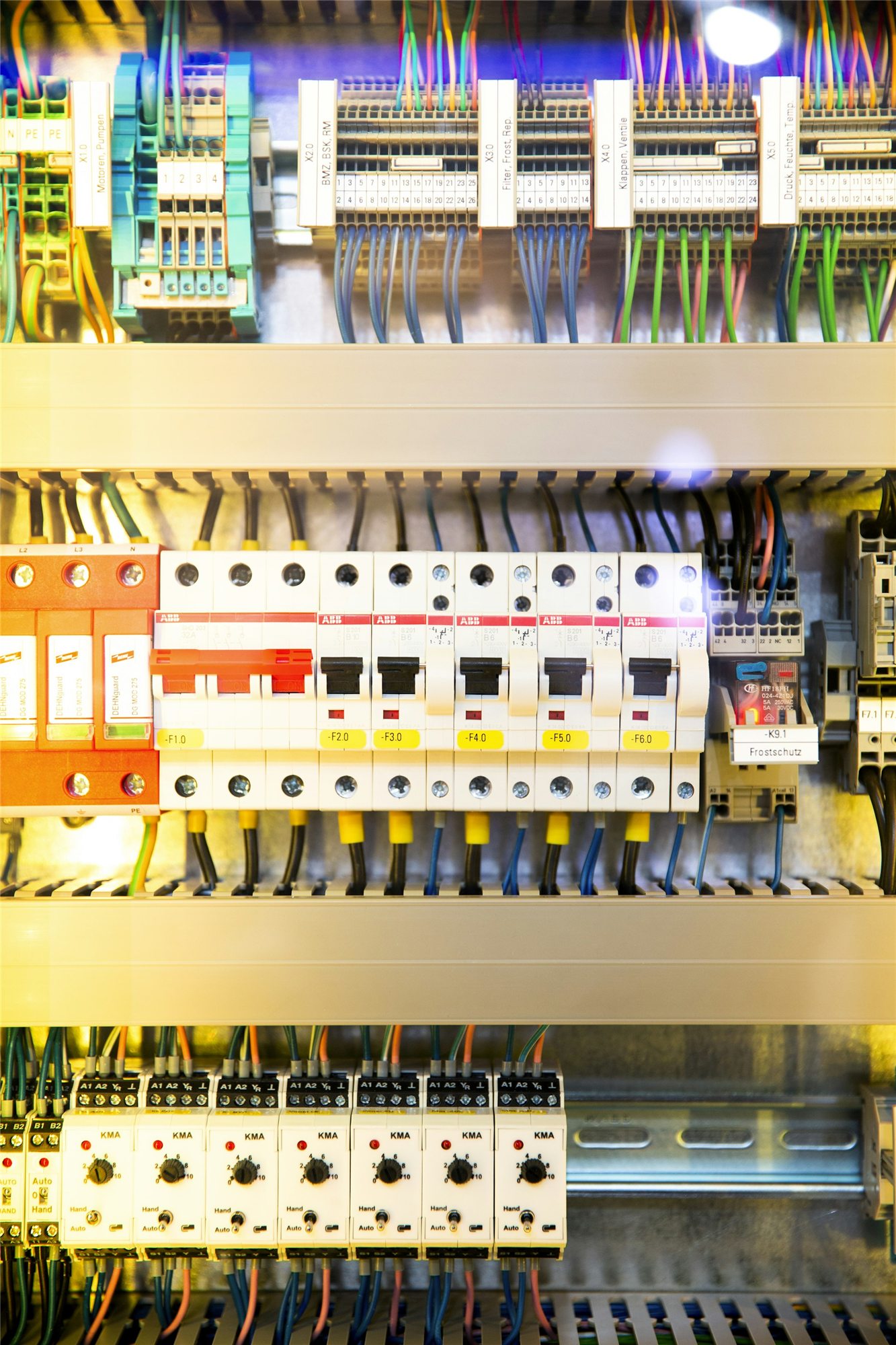
Lightning and network faults can send a spike of voltage through the wiring that damages TVs, computers, appliances with circuit boards, pool equipment and solar inverters. A power board with surge protection only covers what is plugged into it. A surge diverter at the switchboard protects the whole house, and we fit them from $390. Our surge protection page has more detail.
During a storm
Fallen powerlines and outages
Treat every fallen powerline as live, even if it is not sparking and even if your power is out. Stay at least 8 metres away, keep children and pets clear, and do not touch anything the line is lying on or near, such as a fence, a car, a puddle or a tree.
Call Energex on 13 19 62 to report fallen powerlines, at any hour. If anyone is in danger, or a line has fallen on a car with people inside, call 000. If you are in a car that a line has fallen on, stay inside unless there is a fire, and wait for help.
When the power goes out
First check whether your neighbours have power, and look at the Energex outage map. If the whole street is out, it is a network outage and Energex will restore it. If only your home is out, check whether a safety switch or the main switch has tripped. If it trips again when you reset it, leave it off and call an electrician.
A safety switch that keeps tripping after rain usually means water has got into an outdoor fitting. Our guide to why a safety switch keeps tripping explains what you can safely check.
After the storm: what to check
Water and electricity are a dangerous mix, and storm damage is not always obvious. Before you turn anything back on:
We can give you a written report of what we found and fixed to support an insurance claim. Our Burleigh Heads storm-night repair shows how we track down a storm fault and get the power back on safely.
Need a hand?
When to call a licensed electrician
Call a licensed electrician if water has reached your switchboard, wiring or appliances, if a safety switch will not stay on after a storm, if you smell burning, or if lightning struck nearby and something stopped working. For fallen powerlines call Energex on 13 19 62, and call 000 if anyone is in danger. Our emergency line answers 24/7.
Storm season FAQ
Who do I call about a fallen powerline?
Energex on 13 19 62, at any hour. If anyone is in danger, call 000 first. Stay at least 8 metres away and treat the line as live.
Is it safe to use appliances that got wet?
No. Have a licensed electrician check them first. Water can stay inside appliances and fittings and cause a shock or a fire when power is restored.
Does home insurance cover storm damage to wiring?
Many policies cover storm damage, but it depends on yours. Take photos, keep damaged parts if you can and ask your insurer what they need. We can give you a written report of the fault and the repair.
Will a surge protector stop a direct lightning strike?
Nothing guarantees protection from a direct strike. A surge diverter at the switchboard reduces damage from the far more common surges that travel through the wiring from nearby strikes and network faults.
Can I connect a generator to my house?
Only through a changeover switch or inlet installed by a licensed electrician. Plugging a generator into a power point can send power back into the network and put line workers at risk.
Related services
Get storm ready, or get help after
Keep reading
More guides on home safety
Get in touch
Storm damage or no power?
A licensed electrician answers 24/7. Call us, or tell us about the damage and we will come back with a time and a price.