EV and solar · 3 July 2026
Solar and battery ready: what your switchboard needs first
Before solar panels or a home battery go in, your switchboard and meter box have to be able to take them. Here is what we check, the upgrades that are often needed and how to plan for a battery even if it comes later.
On this page
Planning solar or a battery?
We check your switchboard and meter box and price any work in writing. Battery-ready board upgrades from $1,490.
Solar battery wiringKey takeaways
Solar panels and home batteries get the attention, but they all connect through your switchboard. If the board is old, full or unsafe, the installer either cannot connect the system or has to stop and call an electrician. We see it regularly: a solar quote that looked complete, and a switchboard that needed work nobody had priced.
This guide explains what your board needs before solar or a battery goes in, so you can budget for it from the start.
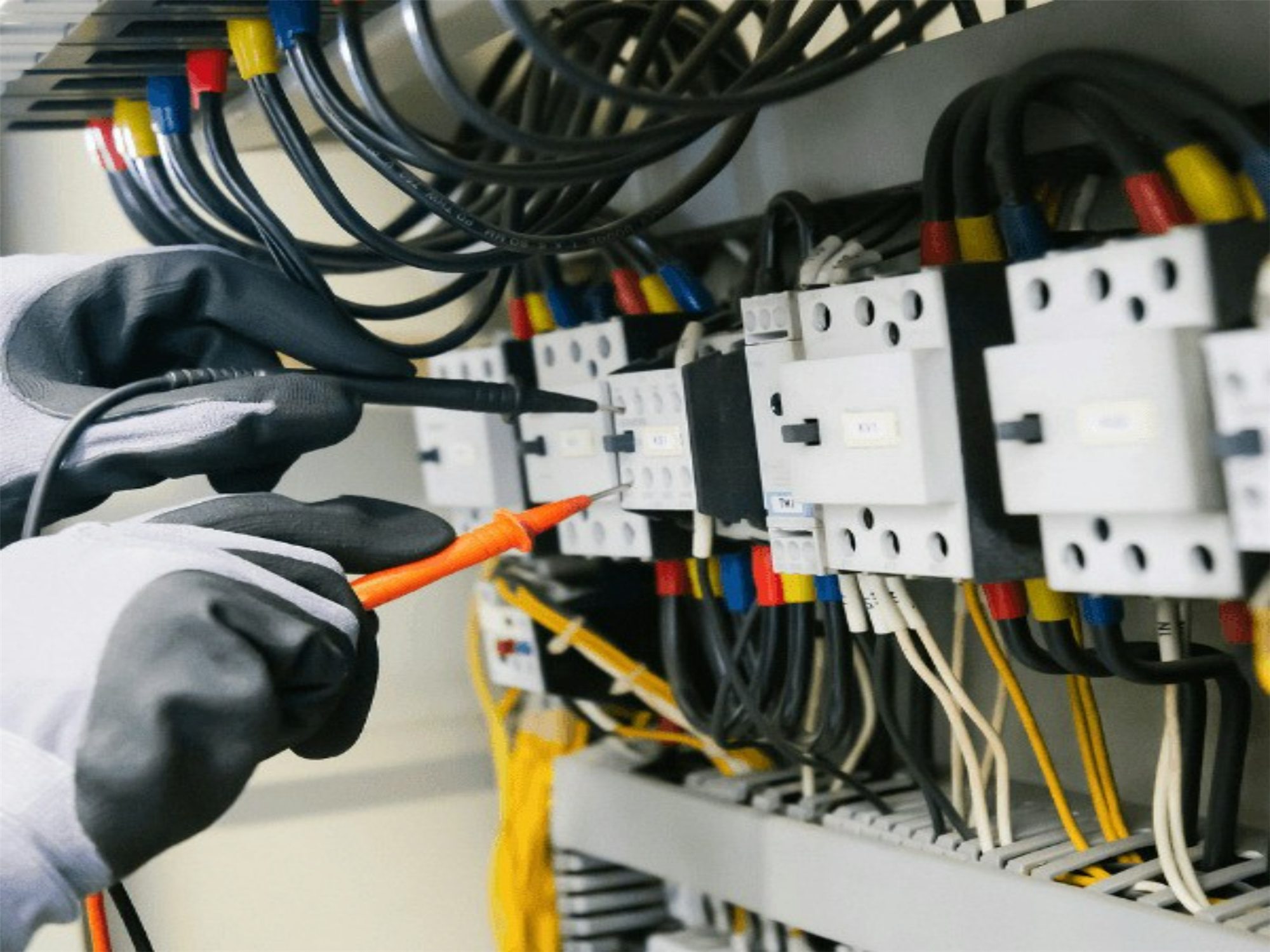
What we check first
The upgrades most often needed
A new switchboard
Boards with ceramic fuses, no safety switches or no spare space are usually replaced before solar or a battery is connected. Read five signs your switchboard needs upgrading to see what to look for in yours.
A new meter box
Solar needs a meter that records the energy you send back to the grid, and your electricity retailer arranges that meter. If the meter box is old, damaged or too small for the new meter and protection devices, it is replaced at the same time.
Surge protection
Inverters and batteries are expensive electronics. A surge diverter at the switchboard helps protect them, along with everything else in the house.
Switchboard upgrade
Single-phase, up to 8 circuits with RCDs
from
$1,490
Switchboard and meter box
New enclosure, meter panel and Energex booking
from
$2,400
Whole-of-home surge protection
Surge diverter fitted at the switchboard
from
$390
Three-phase upgrade
For EV chargers, ducted air and workshops
from
$3,500
Prices include GST. Solar and battery systems are priced separately once the system size is known. See our full price guide.
Planning for battery backup
Not every battery keeps the lights on in a blackout. Some only store solar for use at night. If you want backup, decide which circuits matter most: usually the fridge, some lights, power points for internet and phones, and perhaps the garage door. Those circuits are grouped on a separate backup section of the board, which the battery feeds when the grid goes down.
Whole-home backup is possible, but large loads like ducted air conditioning, ovens and pool pumps can drain a battery quickly or ask for more than it can supply. We help you choose a sensible list.
Where the battery can go
Home batteries must be installed to AS/NZS 5139, which sets rules on where a battery can be placed, such as keeping it out of living areas and clear of exits. A garage wall or a sheltered outside wall is common. Gold Coast heat matters too, so we avoid walls that take the full afternoon sun.
Battery ready, without the battery
If a battery is a year or two away, ask for a battery-ready board during any upgrade. That means leaving labelled spare space and planning the backup section and cable route now. It costs little on the day and saves rework later. Our Mudgeeraba battery-ready upgrade is a good example.
Approvals, accreditation and rebates
Solar and battery systems that connect to the grid need approval from Energex before they are switched on, and the inverter has to meet the grid connection standard, AS/NZS 4777. Your installer normally lodges the application. To qualify for government incentives, systems also need to be designed and installed by an accredited installer.
Battery incentives have changed several times in recent years, including the federal Cheaper Home Batteries Program. Check the current rules with your installer before you sign, because eligibility depends on the system and on who installs it. Planning an EV as well? Read what it costs to install an EV charger, so the board is sized for both.
Need a hand?
When to call a licensed electrician
Call a licensed electrician before you sign a solar or battery contract if your board has ceramic fuses, no safety switches or no spare space, or if the meter box is old or damaged. In Queensland all switchboard and meter box work must be done by a licensed electrician. Ask for the switchboard to be inspected as part of the quote, so the price you sign is the price you pay.
Solar and battery FAQ
Do I need a new switchboard for solar?
Not always. A modern board with safety switches and spare space can often take solar as it is. Boards with ceramic fuses, no safety switches or no room usually need upgrading first.
Can a battery power my whole house in a blackout?
Some can, but most homes back up selected circuits such as the fridge, lights and internet. Large loads like ducted air and pool pumps can drain a battery quickly.
Where can a home battery be installed?
AS/NZS 5139 sets the rules. Batteries cannot go in living areas and must be kept clear of exits and certain other spots. A garage or a sheltered outside wall is common.
Do I need three-phase power for solar and a battery?
Most homes do not. Single-phase suits most residential systems. Three-phase can help with larger systems, EV chargers and workshops, and an upgrade starts from $3,500.
Can you add a battery to my existing solar?
Usually, yes. It depends on your inverter, your switchboard and whether you want backup. We check all three and quote any board work alongside the battery.
Related services
Get your board ready for solar
Keep reading
More guides on EV and solar
Get in touch
Is your board ready for solar?
Send us a photo of your switchboard and meter box and we will tell you what it needs and come back with a fixed price, usually within the hour.