Safety · 2 October 2026
Why your safety switch keeps tripping, and what to check first
A safety switch that trips is doing its job: it has detected electricity leaking somewhere it should not. Here is how to find the cause safely, what you can check yourself and when the problem is in the wiring.
On this page
Safety switch still tripping?
We find the fault, fix it and test every circuit. The $99 call-out covers the first 30 minutes, which is often enough.
Book fault findingKey takeaways
A safety switch, also called an RCD (residual current device), compares the current flowing out on the active wire with the current coming back on the neutral. If the two do not match, some current is escaping, possibly through a person. When the difference reaches about 30 milliamps, the switch cuts the power in a fraction of a second. That speed is what makes it a life-saver.
So a trip is not the fault itself. It is a symptom. The useful question is what the switch has detected, and the answer is usually one of a handful of things you can narrow down in ten minutes without opening anything.
First, is it a safety switch or a circuit breaker?
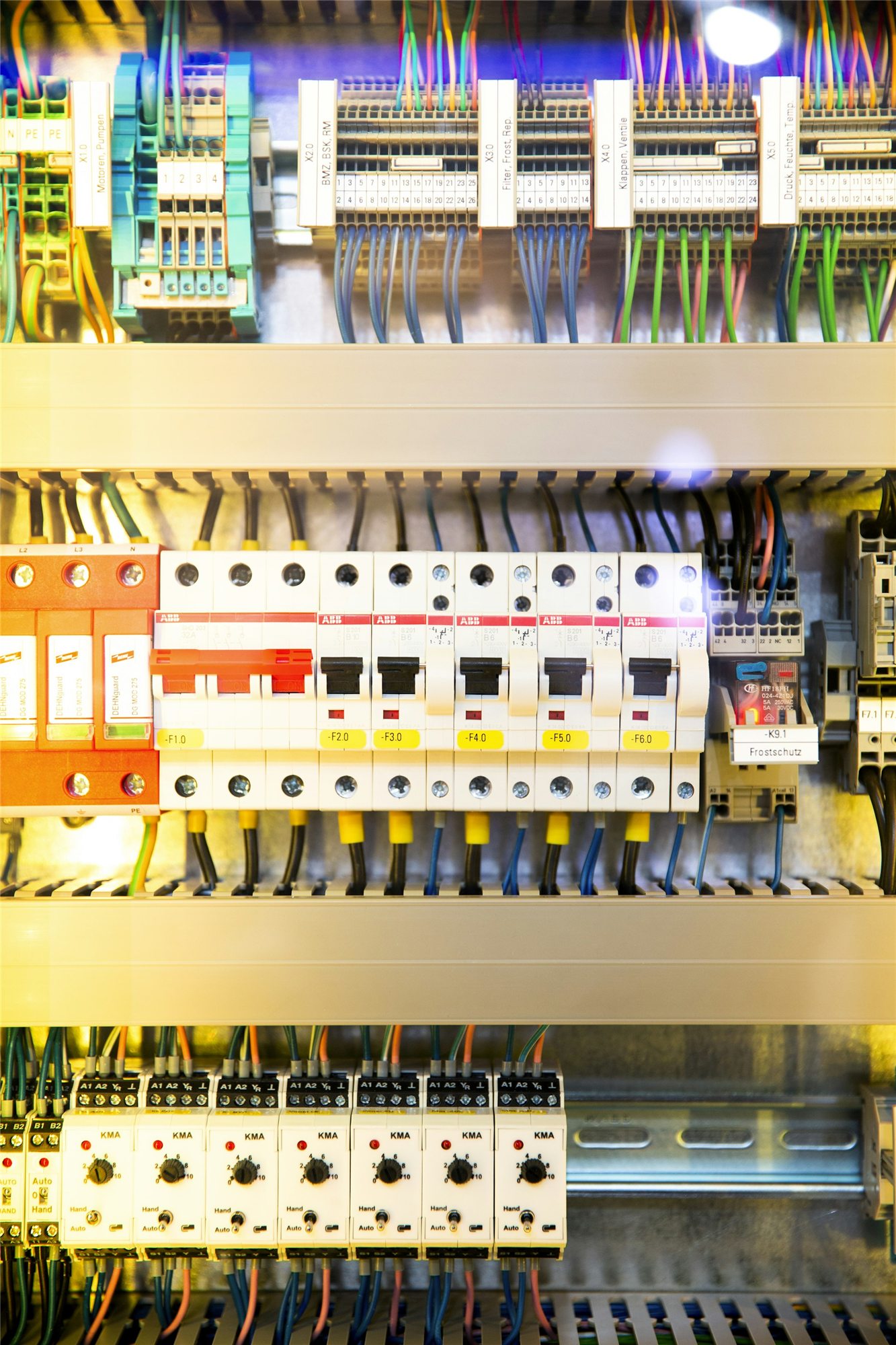
Open your switchboard door and look at what has dropped. Most Gold Coast homes built or upgraded since the 1990s have both safety switches and circuit breakers, and they trip for different reasons. Safety switches usually have a small test button marked T or Test. Circuit breakers do not.
What tripped
Usual cause
What it points to
Safety switch (RCD)
Current leaking to earth
A faulty appliance, water in an outdoor power point or light, or damaged cabling.
Circuit breaker
Overload or short circuit
Too many heavy appliances on one circuit, or a fault in an appliance or the wiring.
Ceramic fuse blown
Overload or short circuit
Same as a breaker, but the board has no safety switches at all and is due for an upgrade.
Every circuit off at once
Often a network outage
Check whether your neighbours have power and look at the Energex outage map first.
If your switchboard has ceramic fuses, do not rewire them yourself. Call a licensed electrician.
The most common causes of a tripping safety switch
Faulty appliances
This is the cause we find most often. Kettles, toasters, washing machines, dishwashers, fridges and pool pumps all develop small leaks to earth as elements and seals age. An appliance can seem to work perfectly and still trip the switch, especially once it warms up.
Moisture after rain
If the trips line up with storms, heavy rain or hosing down the patio, look outside. Water gets into outdoor power points, garden lights, sensor lights and junction boxes in the roof. Salt air near the coast speeds up corrosion in outdoor fittings, which lets water in sooner.
Damaged or ageing wiring
Cables nicked by a screw during a renovation, chewed by rats in the roof or broken down by decades of heat all leak current. This kind of fault often trips the switch even with every appliance unplugged.
Too much leakage on one switch
Every appliance leaks a tiny amount of current, which is normal. On older boards where one safety switch covers the whole house, those small amounts add up and can tip it over the limit. Splitting the circuits across more safety switches usually solves it.
A worn-out safety switch
Safety switches do wear out. If one trips at random with no pattern, or will not reset at all, the switch itself may be faulty. An electrician can measure its trip time and trip current to find out.
What you can safely check yourself
You do not need tools for this, and you should never take a cover off a switchboard, power point or light. Work through these steps with dry hands.
What not to do
Do not hold the switch in the on position, tape it up or ask anyone to bypass it. If it keeps tripping, it is protecting someone from a shock. Do not run a suspect appliance from a power board on a different circuit either. You are only moving the risk.
How often to test your safety switches
Queensland's Electrical Safety Office recommends pressing the test button on every safety switch every three months. The switch should trip straight away. Push it back on and you are done. If it does not trip, it is not protecting you and should be replaced by a licensed electrician.
If your switchboard has no safety switches, or only one covering a few circuits, adding them is one of the best value safety upgrades you can make. We retrofit safety switches to modern boards from $450. Older boards with ceramic fuses usually need a full switchboard upgrade, which brings every circuit up to the current wiring rules, AS/NZS 3000.
Call-out and first 30 minutes
Fault finding, diagnosis and small repairs
from
$99
RCD safety switch retrofit
Add safety switches to an existing modern board
from
$450
Switchboard upgrade
Single-phase, up to 8 circuits with RCDs
from
$1,490
Prices include GST. After-hours call-outs start from $189, and we quote the rate on the phone before we leave.
Need a hand?
When to call a licensed electrician
Call a licensed electrician if the safety switch trips with everything unplugged, if it trips again straight after you reset it, if you smell burning or see scorch marks at a power point or the switchboard, or if water has got into a fitting. In Queensland, work on fixed wiring must be done by a licensed electrician. If anything is sparking, smoking or hot, keep clear and call us straight away, day or night.
Safety switch FAQ
Is it dangerous if my safety switch keeps tripping?
The trip itself is the switch keeping you safe. The fault behind it can be dangerous, though, so find the cause rather than living with it. If it trips with everything unplugged, call an electrician.
Why does my safety switch trip when it rains?
Water is getting into something on that circuit, usually an outdoor power point, a garden or sensor light, or a junction box in the roof. Leave those fittings off and have them inspected, resealed or replaced.
Can a fridge trip a safety switch?
Yes. Fridges and freezers are common culprits, often when a defrost element or seal fails. Because a fridge cycles on and off, the trips can seem random. Unplug it for a day and see if the trips stop.
Can I replace a safety switch myself?
No. Safety switches are part of the switchboard and fixed wiring, which in Queensland must only be worked on by a licensed electrician.
How long does it take to find the fault?
Many faults are found within the first 30 minutes, which our $99 call-out covers. Intermittent faults in older wiring can take longer, and we tell you before any extra time is spent.
Related services
Get the fault found and fixed
Keep reading
More guides on home safety
Get in touch
Safety switch still tripping?
Tell us what trips and when, and a licensed electrician will come back with a time and a fixed call-out price, usually within the hour.